Mysuru
|
Udupi
|
Mangaluru
|
Davanagere
|
Shivamogga

Head Office

#9/7, Krishna Complex, Nehru road, Girinagar, Bangalore - 560085.

Email Us

sales@insidera.com

Image

Call Us

+91 7022985490

+91 7026366993

+91 9880950596

Our Interior Designing Services

Type of Interior Design

Interior Designing

Image

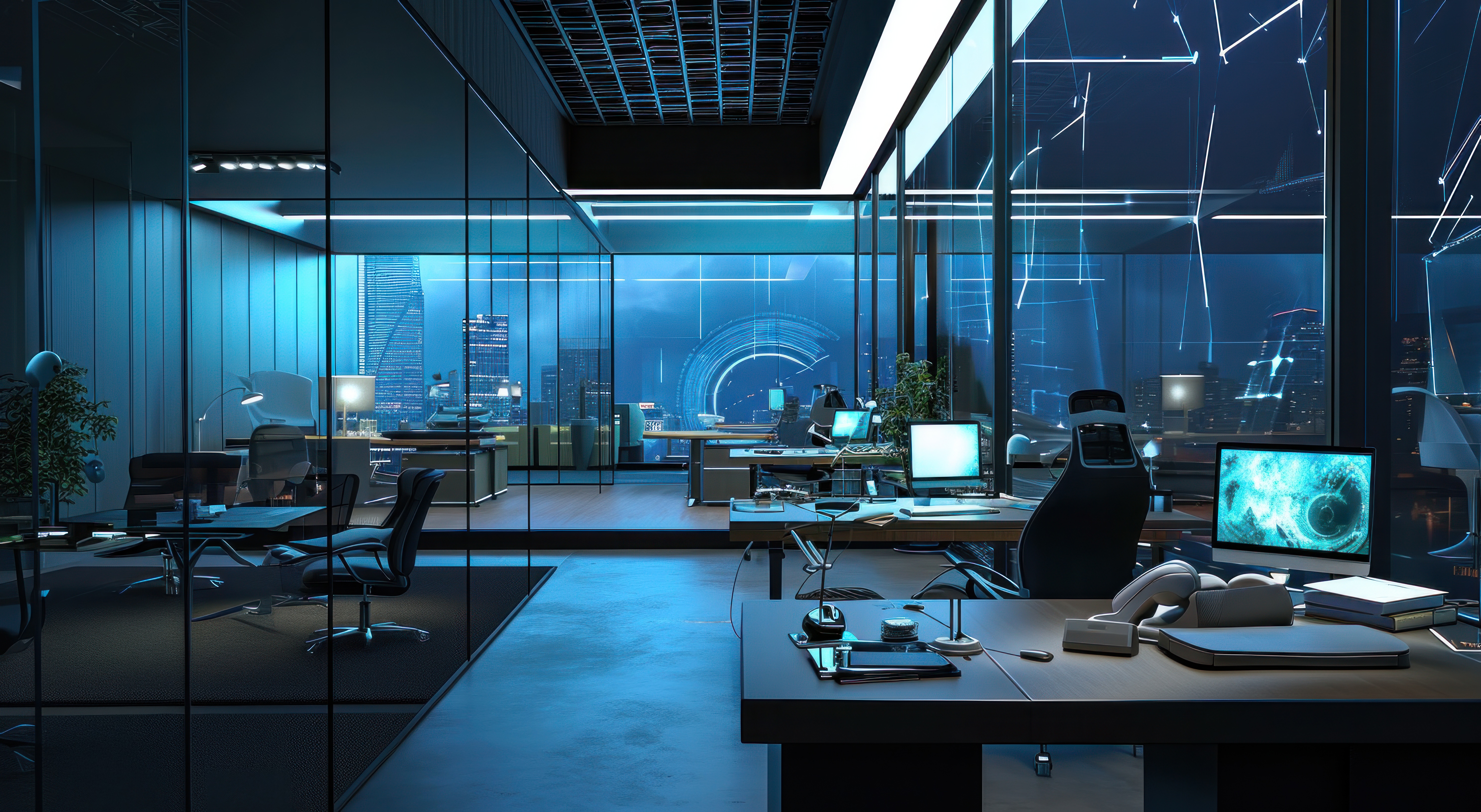
Interior design encompasses various styles and approaches, each reflecting different aesthetics, preferences, and functionalities. Here are some common types of interior design

1. Contemporary

Characterized by clean lines, minimalist decor, and neutral color palettes, contemporary design emphasizes simplicity, sophistication, and functionality. It often incorporates modern furniture, sleek finishes, and ample natural light.

2. Modern

Similar to contemporary design but with a focus on the mid-20th-century modernist movement, modern interior design features bold geometric shapes, organic forms, and a mix of materials such as glass, metal, and wood. It often showcases iconic furniture designs and emphasizes open floor plans and uncluttered spaces.

3. Traditional

Inspired by classic European styles, traditional interior design exudes elegance, warmth, and timelessness. It incorporates ornate furnishings, rich fabrics, and intricate details such as molding, wainscoting, and decorative accents. Traditional interiors often feature symmetry, balance, and a sense of formality.

4. Coastal

Inspired by seaside living, coastal interior design evokes a relaxed and breezy atmosphere with a palette of soft blues, whites, and sandy neutrals. It incorporates natural materials like rattan, sisal, and weathered wood, along with nautical-inspired decor such as stripes, shells, and rope accents. Coastal interiors often feature open spaces, ample natural light, and a connection to the outdoors.

5. Mid-Century Modern

Influenced by the design trends of the mid-20th century, mid-century modern interior design emphasizes functionality, simplicity, and organic shapes. It features iconic furniture pieces, such as Eames chairs and tulip tables, as well as natural materials like wood and leather. Mid-century modern interiors often showcase bold colors, geometric patterns, and retro-inspired accessories.

6. Industrial

Inspired by urban lofts and industrial spaces, industrial interior design celebrates raw materials, exposed structural elements, and utilitarian aesthetics. It incorporates features such as exposed brick walls, concrete floors, metal accents, and salvaged furnishings, creating a rugged yet stylish look.
Image
Interior Designing Process

Interior Designing Flowchart

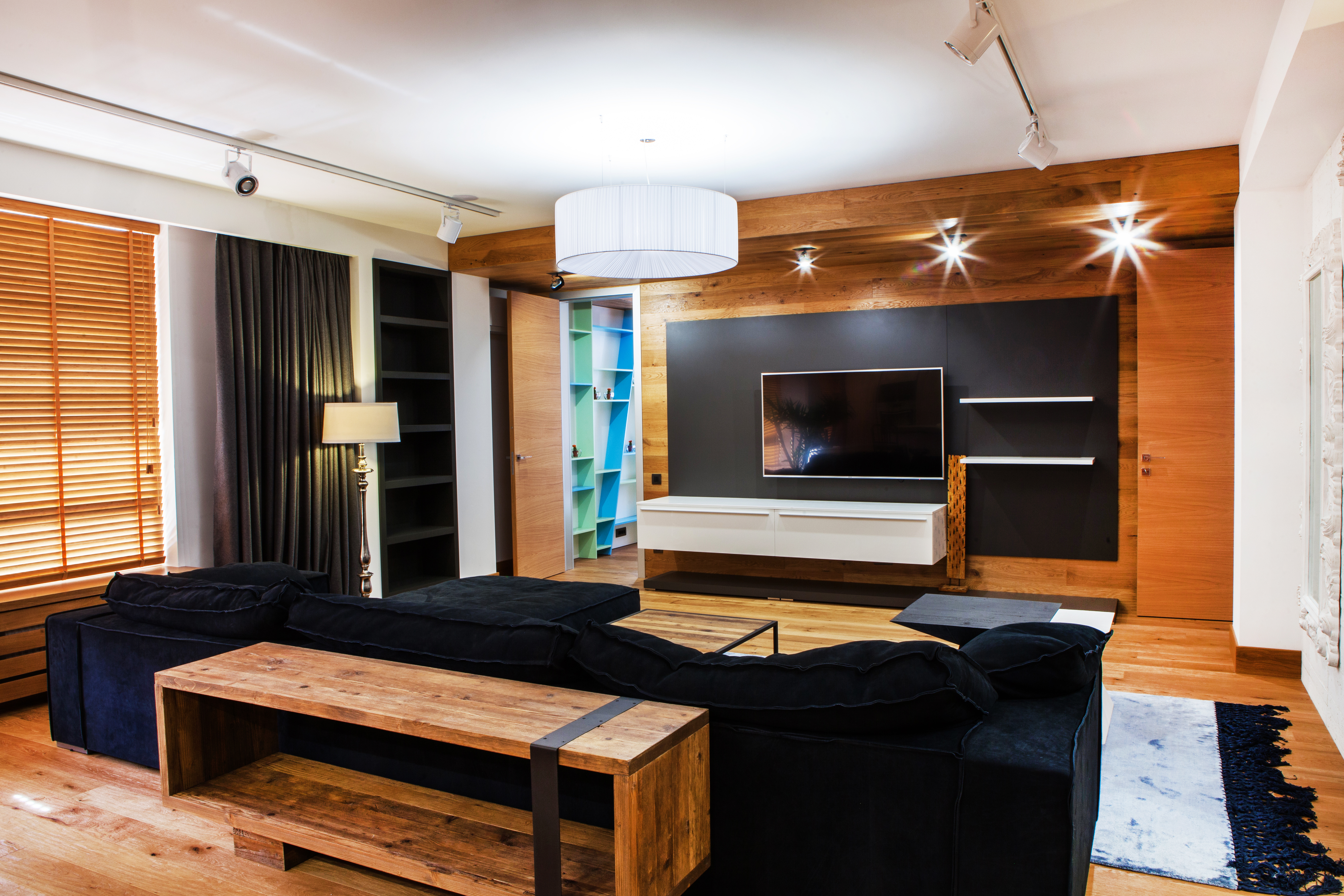
The interior design process involves several stages that designers follow to create functional, aesthetically pleasing, and personalized spaces for clients. While the specifics may vary depending on the project scope and client needs, here is a general outline of the interior design process.
1. Initial Consultation:

  • Meet with the client to discuss their project requirements, goals, budget, and timeline.
  • Identify the client's preferences, lifestyle, and any specific design needs or challenges.
  • Establish clear communication and rapport with the client to ensure a collaborative partnership throughout the process.
  • 2. Concept Development

  • Conduct research and gather inspiration to develop initial design concepts.
  • Create mood boards, sketches, or digital renderings to visualize design ideas and themes.
  • Present design concepts to the client for feedback and discussion, and refine as needed based on client input.
  • 3. Space Planning

  • Assess the existing space and evaluate its functionality, traffic flow, and spatial requirements.
  • Develop a space plan that optimizes the layout and arrangement of furniture, fixtures, and other elements to maximize efficiency and usability.
  • Consider ergonomic principles, accessibility requirements, and zoning regulations when planning the layout.
  • 4. Material and Finishes Selection

  • Source and select materials, finishes, and furnishings that align with the design concept, budget, and client preferences.
  • Consider factors such as durability, maintenance requirements, and sustainability when choosing materials.
  • Present material samples, swatches, and finish options to the client for approval and feedback.
  • 5. Furniture and Fixture Selection

  • Curate a selection of furniture, lighting, and fixtures that complement the design concept and meet the functional needs of the space.
  • Consider factors such as scale, proportion, style, and comfort when selecting furniture pieces.
  • Coordinate with vendors, manufacturers, and suppliers to procure and order selected items.
  • 6. Colour Scheme and Lighting Design

  • Develop a cohesive color scheme that enhances the mood, atmosphere, and visual appeal of the space.
  • Design a lighting plan that incorporates ambient, task, and accent lighting to create layers of light and enhance functionality and aesthetics.
  • Select light fixtures, bulbs, and controls that complement the design concept and meet the lighting needs of each area.
  • 7. Presentation and Approval:

  • Present the finalized design concept, including drawings, renderings, material samples, and product specifications, to the client for approval.
  • Address any feedback or revisions requested by the client and make necessary adjustments to the design.
  • 8. Implementation and Project Management

  • Coordinate with contractors, tradespeople, and vendors to execute the design plan and manage the construction or installation process.
  • Oversee the project timeline, budget, and quality control to ensure that the design vision is realized effectively and efficiently.
  • Communicate regularly with the client to provide updates, address concerns, and ensure client satisfaction throughout the implementation phase.
  • 9. Final Styling and Accessories

  • Style and accessorize the space with artwork, decorative objects, textiles, and plants to add personality, warmth, and visual interest.
  • Arrange furniture and accessories to create focal points, balance proportions, and enhance the overall aesthetic appeal of the space.
  • Conduct a final walkthrough with the client to ensure that all aspects of the design meet their expectations and address any remaining concerns or adjustments.
  • 10. Project Completion and Follow-Up

  • Complete any remaining tasks, such as final inspections, touch-ups, and installations, to bring the project to completion.
  • Provide the client with a comprehensive design portfolio or project documentation, including warranties, maintenance instructions, and care guidelines for their new space.
  • Follow up with the client after project completion to ensure their satisfaction, address any post-installation issues, and maintain a positive relationship for future projects or referrals.
  • Image

    Get In Touch

    #9/7,Krishna Complex, Nehru Road, Girinagar, Bangaluru - 560085.

    Mysuru, Udupi, Mangaluru, Davanagere, Shivamogga.

    Contact us

    +91 7022985490

    +91 7026366993

    +91 9880950596

    sales@insideera.com

    Newsletter

    © www.insideera.com. All Rights Reserved. Designed by INSIDEERA